


En muchos sentidos, el carisma pasionista refleja la vida de su pequeño pueblo natal, Isinya; y allí donde existen diferencias, él disipa el miedo y ofrece consuelo mediante el mensaje de la Cruz.
En la cultura keniana, el sufrimiento se entiende de dos maneras. En primer lugar, se considera que una persona sufre como retribución por acciones pasadas —malas, egoístas o viciosas—, o bien como un destino ineludible derivado de su historia familiar.
«A la luz de nuestro carisma y nuestra enseñanza pasionista, comprendemos que Jesús sufrió en la Cruz por los pecados de la humanidad», comparte el padre Eliud. «Esto puede guardar cierta similitud con la primera creencia africana. Sin embargo, desde la perspectiva pasionista, el sufrimiento es asumido por Cristo.
Cristo ha tomado nuestro sufrimiento sobre sí y nos ha liberado de él. En cuanto a la segunda creencia —la de que el sufrimiento es nuestro destino y que no podemos recuperarnos de él—, el carisma pasionista transforma esa mentalidad. Uno es responsable únicamente de las acciones que ha cometido».
Padre Eliud Kiuma Otunga, CP
El sufrimiento también proviene de las calamidades y las enfermedades. «El sufrimiento de Cristo en la Cruz nos enseña que el sufrimiento forma parte de la vida y que debemos aceptarlo», explica el padre Eliud. «Es una forma de temple. Una vez que lo superamos, quedamos sanados. Si eres amado por Dios, sufrirás y te harás más fuerte».
El sufrimiento es como el fuego que derrite el oro: el fuego no consume el oro, sino que lo funde y lo purifica. Tras este proceso, el oro queda refinado y puro.
En la cultura keniana, los sistemas de familia extensa brindan apoyo y guardan similitud con las comunidades cristianas. Los ancianos son la cabeza de las familias, al igual que la jerarquía de la Iglesia.
Las familias aportan historia personal y legitimidad en el matrimonio o al trasladarse a una nueva comunidad. La identidad personal es moldeada por la comunidad. Los niños pertenecen a todo el clan, y todos participan en su crianza.
El padre Eliud observa muchas similitudes en la Iglesia.
«En Kenia, nuestro modelo de Iglesia es “doméstico”. Concebimos la iglesia doméstica como una familia. Dentro de esa estructura, contamos con una pequeña comunidad cristiana que constituye la base de la parroquia. Esto nos facilita educar a las personas para que se conviertan en hijos de Dios», explica. «La familia se convierte en la Iglesia, y la pequeña comunidad cristiana pasa a ser la familia extensa. La parroquia se transforma en el gran clan, compuesto por diversas familias extensas. Debemos mantener un equilibrio entre ambas: la familia biológica y la familia religiosa».
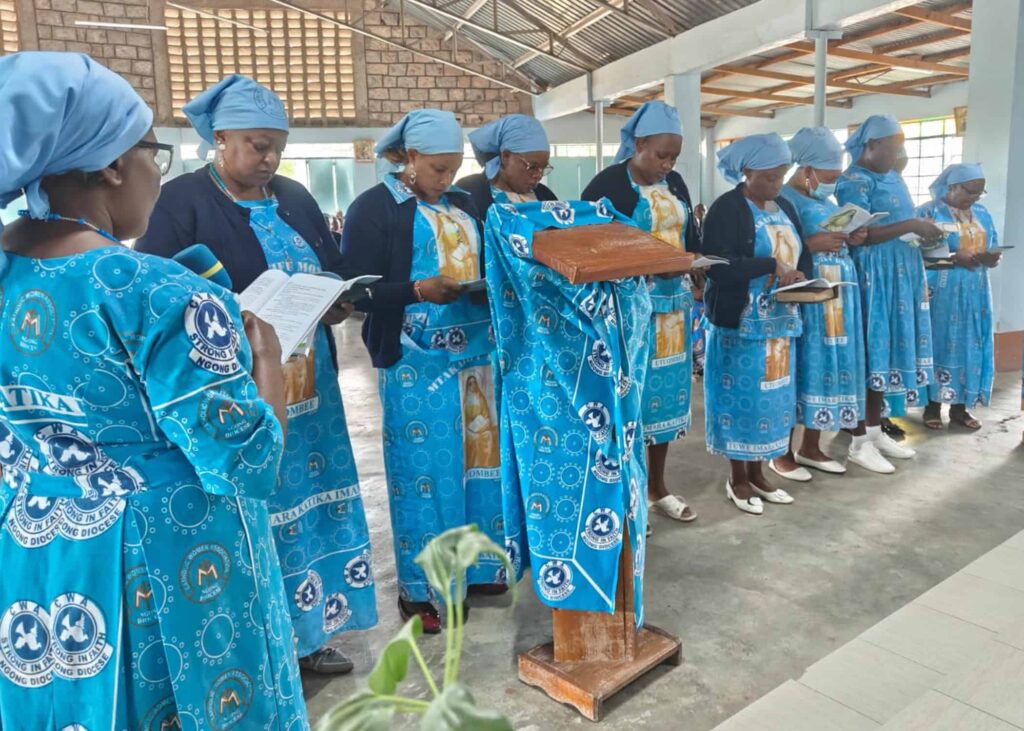
En las familias, la autoridad y el poder recaen en los ancianos varones, una situación que perdura incluso después de la muerte. Los jóvenes deben obedecer siempre a los mayores; ni siquiera pueden corregir a los miembros de mayor edad cuando estos cometen errores, y los ancianos no piden disculpas.
El poder y la autoridad se conciben de manera diferente en la comunidad pasionista. «San Pablo de la Cruz se ponía de rodillas todos los viernes para implorar perdón», afirma el padre Eliud. «En nuestra formación, es fundamental pedir perdón por los errores cometidos. Las personas asumen la autoridad no para ejercer poder o dominio, sino para servir».
El respeto hacia los ancianos desempeña un papel fundamental en la forma en que esta cultura concibe la muerte.
«La cuestión de la muerte resulta muy interesante. Si alguien fallece, se cree que esa persona se transforma en un espíritu. Y el espíritu del difunto adopta una disposición magnánima para convertirse en guardián de aquellos que permanecen. Es por ello que se celebran rituales para apaciguar y honrar al espíritu antes de sepultar a la persona. Si no se atiende debidamente al espíritu, este castigará», explica. «Se sabe que el espíritu vive, ve y oye. En ocasiones, el espíritu puede regresar para rescatar o para castigar».
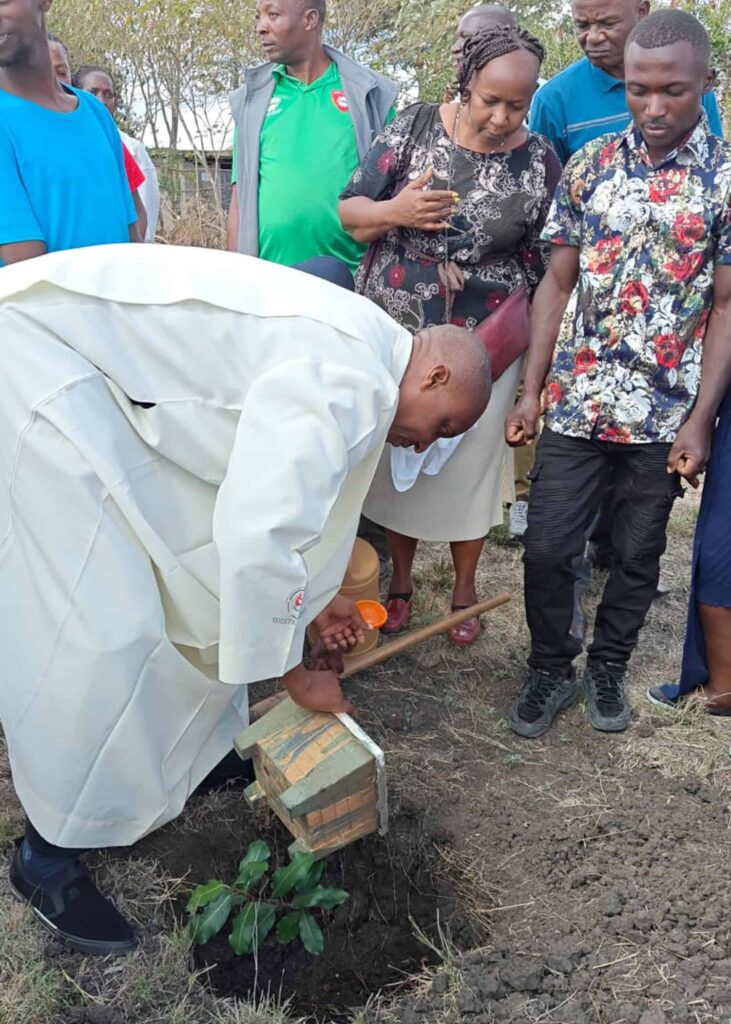
El padre Eliud ha encontrado que el énfasis de los pasionistas en la Cruz y la resurrección resulta de gran ayuda para disipar el temor respecto a lo que sucede tras la muerte.
«Las personas que mueren en Cristo resucitan. La persona resucitada es un alma perfecta y posee un cuerpo glorificado. Esa alma perfecta no puede castigarnos», les dice a aquellos que se inquietan ante la muerte. «La muerte de un cristiano no desemboca en el olvido, sino en la renovación. Les decimos que la persona resucitada vive junto a Dios y que esa persona intercederá por nosotros».
This transcript has been prepared for clarity, accessibility, searchability and readability, though minor variations from the original video may occur.
Family, Identity and Belonging
Family in Kenyan culture is deeply rooted in the extended family system. Identity is strongly connected to one’s clan, ethnic group and lineage. Even a person’s name often reveals where they come from and how others relate to them.
Belonging is reinforced through important life events such as initiation rites, marriage and communal celebrations. Elders and even ancestors play a significant role in shaping identity and guiding life.
This cultural understanding aligns closely with Christian faith, especially the idea of the Church as a family. Through baptism and formation, individuals enter into a new spiritual family where God is Father and Christ is the head.
Small Christian communities also play a central role, forming the foundation of parish life. These communities provide identity, support and a sense of belonging.
However, the Passionist charism also stretches this understanding. For religious members, there is a call to belong fully to a new spiritual family, which can create tension with strong ties to one’s biological family. Balancing these relationships becomes an ongoing challenge.
Community and Identity
In Kenyan culture, identity is shaped primarily by the community rather than the individual. A child belongs not only to their immediate family but to the entire community.
There is a strong belief that “I am because you are,” reflecting the idea that a person’s existence is deeply connected to others. Responsibility for upbringing, discipline and care is shared among the community.
This communal identity aligns well with the Passionist call to solidarity with the crucified. Being present with others, especially those who suffer, is a natural extension of cultural values.
However, aspects of Passionist spirituality such as silence, solitude and personal reflection can be challenging. These practices require stepping away from constant community interaction and developing a deeper sense of individual identity.
Authority and Respect
Traditionally, authority in Kenyan culture is closely tied to age and seniority. Elders are highly respected, and their authority is rarely questioned, even when they make mistakes.
Younger individuals are expected to show deference, often expressing concerns indirectly rather than openly correcting elders. Respect is deeply embedded in social relationships.
The Passionist charism introduces a different model of authority, one rooted in humility and service. Leaders are called to seek forgiveness, accept correction and serve others, following the example of Christ.
This creates a tension between cultural expectations and Gospel values, but also opens the possibility for a more relational and compassionate form of leadership.
Aging and Care for Elders
Aging is traditionally seen as a blessing in Kenyan culture. Those who live long lives are respected and honored for their wisdom and experience.
However, modern economic pressures have begun to change this reality. Many elderly people now face neglect, especially when they are no longer able to work or when their children are unable to support them.
This shift has created new challenges, including loneliness, frustration and insecurity among the elderly.
The Passionist spirituality of presence offers a meaningful response. Being present with the elderly, caring for them and accompanying them in their struggles becomes a vital ministry. It affirms their dignity and provides the relational support they deeply need.
Expressing Love
Love within Kenyan families is expressed through presence and practical support. Being physically present during important moments, helping with daily tasks and standing with others in times of need are key expressions of love.
Gift giving also plays an important role, reflecting the value placed on relationships.
The Passionist understanding of love deepens this perspective. Love is not only about feelings or closeness but about responsibility and sacrifice. It calls people to serve others, especially those in need, even when there is no personal attachment.
True love, in this sense, involves giving of oneself and sometimes denying one’s own comfort for the sake of others.
Religion in Everyday Life
Religion is deeply integrated into daily life in Kenyan culture. There is a strong connection to ancestors, spirits and ritual practices that shape how people understand the world.
Important life events, such as marriage, include not only Christian elements but also cultural rituals that involve blessings, instructions and connections to ancestors.
This integration can sometimes create tension with Christian teaching, especially when cultural practices conflict with Gospel values. The Passionist approach seeks to engage this through inculturation, respecting culture while guiding people toward a deeper understanding of faith.
Understanding Death and Hope
In many Kenyan traditions, death is seen as a transition into the spiritual realm. The deceased become spirits who may protect, guide or even harm the living, depending on how they are remembered and honored.
This belief can create fear and anxiety, especially when people feel they must appease or avoid negative spiritual consequences.
The Christian and Passionist understanding offers a different perspective. Death leads not to a wandering spirit but to resurrection and new life in God. The deceased do not return to harm others but live in communion with God and can intercede for the living.
This message brings comfort and frees people from fear, replacing it with hope and trust in God’s promise of eternal life.
Challenging Cultural Norms
One significant cultural challenge is the strong belief in witchcraft and spiritual causes of suffering. Illness, misfortune or hardship are often attributed to supernatural forces.
The Passionist charism challenges this by encouraging a more balanced understanding that includes both faith and practical solutions. People are guided to seek medical care, address real-life issues and trust in God rather than fear.
This shift has been life giving for many, helping them move from fear to freedom and from superstition to hope.
A Concrete Expression of the Charism
One everyday example of living the Passionist charism in Kenya is the understanding of poverty.
In many African contexts, poverty is something to overcome. It is associated with struggle and hardship, and people naturally seek to improve their circumstances.
The Passionist understanding of poverty, however, emphasizes detachment rather than deprivation. It is not about having nothing, but about not being attached to what one has, so that everything can be used for the good of others.
This perspective can be challenging, but it opens the way for greater generosity and service.
A Living Encounter Across Cultures
One of the most surprising aspects of the Passionist charism is how differently it is expressed across cultures.
For example, simplicity may be understood in one culture as extreme austerity, while in another it means living comfortably but without attachment. These differences can create tension, but they also reveal the richness of the charism.
At its heart, the charism remains the same, calling people to live simply, serve others and find God in both suffering and love.

 English
 Español