

The crisis in our food systems cannot be reduced to failures of technology or resource management. We hear concerns about industrial beef and chicken production, but fish receive less attention.
My family and I decided to look more closely at fish farming and modern fisheries. Our inquiry raised a question deeper than what to put on the dinner table:
What happens to conscience when the suffering behind our food remains out of sight?
The theologian Johann Baptist Metz’s idea of “structural apathy” offers a way to understand this moral numbness.
When economic priorities organize our choices, the suffering of the Earth and of communities dependent on it can disappear from view. Food becomes merely a commodity rather than a foundation of life and social justice.
The problem is not simply that individuals fail to care. It is that familiar systems make indifference easy and responsibility difficult to recognize.
Looking Beyond the Seafood Counter
Industrial aquaculture and depleted marine ecosystems bring this question into focus. Our appetite for inexpensive seafood can conceal damaged habitats, pollution, and pressure on local fisheries.
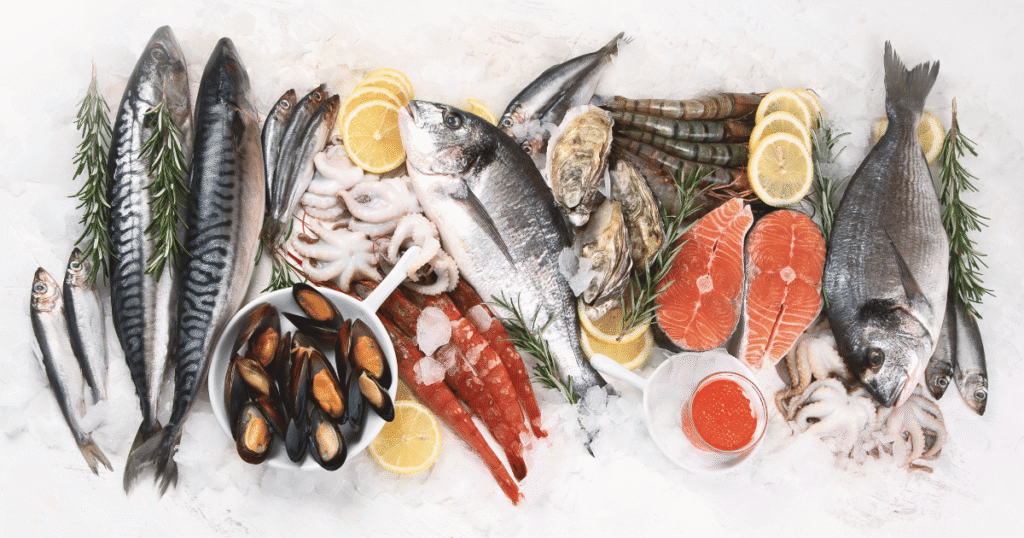
Fish harvested for feed connect farmed seafood to the condition of wild waters. For coastal families, these waters are not distant resources; they sustain food and livelihoods.
An ecological examination of conscience asks us to notice those connections rather than regard the package at the grocery counter as the whole story.
Who Benefits—and Who Bears the Cost?
Some approaches, including land-based recirculating aquaculture, offer hope for reducing ecological disruption. Yet technological improvement does not answer every moral question.
Who benefits from seafood production, and who bears its costs?
What happens when communities are left with depleted ecosystems and empty nets?
The “numbness of conscience” discussed in "Laudato Si'" names the danger of allowing human and environmental suffering to become ordinary, invisible, or someone else’s concern.
Remembering Those Who Suffer
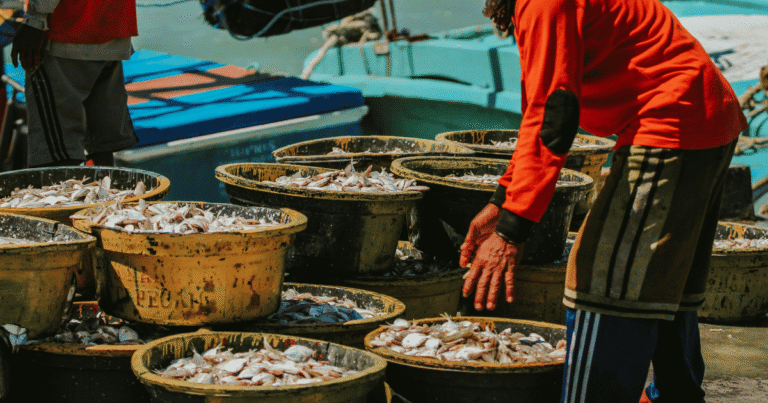
Metz’s “dangerous memory” (memoria passionis) challenges that indifference through the unsettling remembrance of those who suffer under dominant systems of power. In our food systems, remembering the “newly crucified” means refusing to forget seafood workers and coastal families whose hardship is hidden by convenience.
The suffering of a parent unable to feed a child calls our collective morality into question. Listening to the cries of the poor and the Earth turns food security from an occasion for charity into a matter of human dignity and rights.
Turning Awareness into Compassion
Ecological conversion begins with this willingness to see.
It asks us to examine not only what we consume but also what we have learned to ignore. Remembering suffering should awaken solidarity, not leave us immobilized by guilt.
That awakened conscience leads to the next question:
How can we respect the people who bring seafood to our tables and choose food with greater care?
Continue to Part II: Choosing Seafood with Care: A Guide to Responsible Seafood Choices for ways to bring care for people and creation to the seafood counter


 English
 Español