One of the great lessons of Passionist spirituality is that suffering is part of life.
It is not a sign of punishment. It is not a sign of failure. It does not mean that we are inadequate or that we have not prayed hard enough. It is simply part of being human.
That may not sound very hopeful at first. Most of us would rather avoid suffering, and understandably so. We want life to go according to plan. We want the people we love to be safe. We want our prayers to be answered in the way we hope. When those things do not happen, we may wonder where God is or whether God has forgotten us.
God Does Not Remain Distant
The Passion of Jesus offers no easy explanation for suffering. Instead, it reveals something far more important: God does not remain distant from it.
In Jesus, God enters fully into the pain, fear and uncertainty of human life. Jesus knows betrayal, loneliness, grief and loss. On the Cross, he enters even into the feeling of abandonment.
The Passion reminds us that Jesus did not suffer because God did not love him. Rather, God’s love entered into the reality of human suffering in order to transform it.
This is at the heart of Passionist spirituality.
Keeping Alive the Memory of the Passion
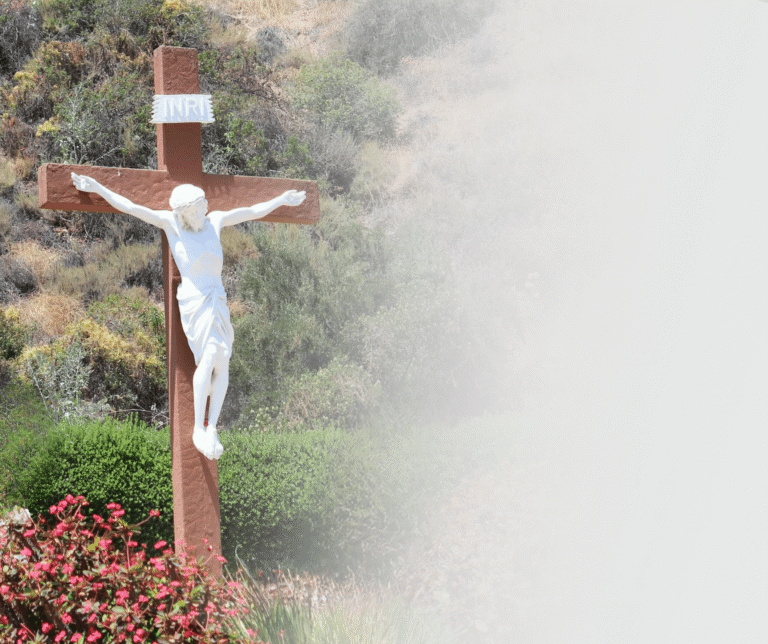
St. Paul of the Cross wanted the Passion of Jesus to remain alive in the hearts of people. He understood the Cross not simply as an event from the past but as a living sign of God’s overwhelming love.
For more than 300 years, Passionists have sought to keep that memory alive, not by glorifying suffering, but by standing beside those who suffer and reminding them that they are not alone.
The Cross also asks us to notice the suffering around us.
If we truly remember the Passion of Jesus, we begin to recognize his face in people who are grieving, frightened, excluded or carrying burdens others cannot see.
Compassion becomes more than a feeling. It becomes a willingness to remain present, to listen and to walk with someone even when we cannot fix what is wrong.
That presence can be a source of hope.
Hope Does Not Deny the Struggle
Passionist hope is not the belief that everything will quickly improve or return to the way it was. It is the conviction that suffering does not have the final word.
Suffering is one of the places where we discover who we are and who God is.
The Cross cannot be separated from the Resurrection. Death gives way to life. Despair does not defeat love. Even in the darkest moments, God is still present and still at work.
This does not make suffering easy. It does not erase grief or answer every question. But it can change how we carry what life places before us. We no longer carry it alone.
Where We Discover God
In my own life, the Passion and death of Jesus, together with his Resurrection, have remained at the center of my prayer. They continue to remind me that suffering can become a place where we discover who we are and who God is. Not suffering by itself, of course, but suffering held within the presence and love of God.
Perhaps that is the invitation of the Cross: not to have every answer but to trust that God meets us in reality as it is.
God enters our wounds, stays with us and gently leads us toward life.
Whatever you may be carrying today, the Passion of Jesus offers this assurance: you are seen, you are loved and you do not walk alone.