

What is the process for becoming a Passionist priest or brother?
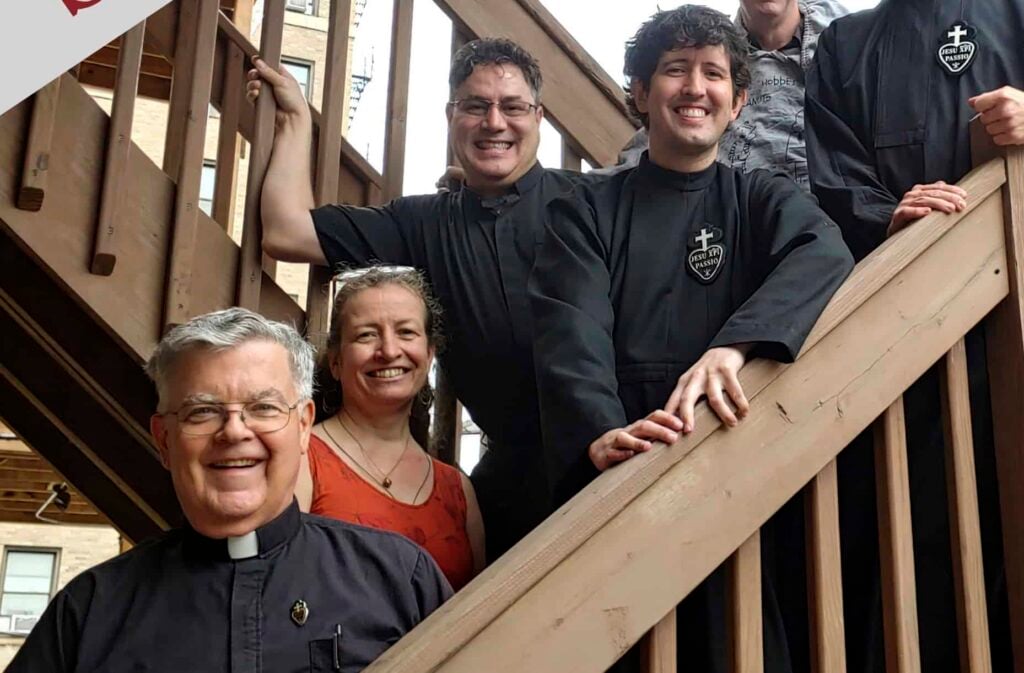
If you have felt a pull toward religious life or a desire to serve God and others in a deeper way, you might be wondering what it takes to become a Passionist priest or brother.
The journey begins with an open heart and a willingness to listen to God’s call. It’s a path that involves prayer, community, study and service, growing in faith while walking closely with those who are suffering, just as Jesus did.
Of course, there are some steps along the way—like getting to know the Passionist community, going through formation and taking vows. But you’re not alone in this. We’ll walk with you every step of the journey, offering support, guidance and friendship.
Becoming a Passionist priest or brother isn’t about being perfect. It’s about being open—open to God’s love, open to growth and open to living a life rooted in compassion, hope and the power of the Cross.
A Path of Listening, Growing, and Saying “Yes” to God
Discerning a vocation is a sacred journey—and you don’t walk it alone. Whether you’re just beginning to sense a call or are ready to take the next step, if you meet the requirements and are looking to start a discernment journey, the Passionist community is here to walk with you.
This time of conversation is mutual. It’s about building trust, asking questions and exploring together whether a Passionist vocation might be the path to which God is calling you.
Your journey begins when you reach out. Our Province Vocation Director will connect with you to get to know who you are – your story, your faith, your hopes – and to help you listen for where the Holy Spirit may be leading. You’ll also get the chance to learn about the Passionists: our mission, our way of life and how we live out the Passion of Christ today.
When you’re ready to go deeper, you’ll be paired with a vocation mentor—a Passionist who will accompany you in a more intentional way. You’ll meet regularly to reflect, pray and listen together to how God is moving in your life. It’s a time of clarity, encouragement and honest discernment.
When both you and your mentor feel the time is right, you may apply to enter residency, the first formal stage of formation. This includes submitting an application and various personal and spiritual assessments.
Once approved by the Province Admissions Board and the Provincial Superior, you’ll begin a six-month (or longer) period of residency.
Residency is a deeply formative time and a chance to experience Passionist life more fully. You’ll live in a Passionist community, follow a structured formation plan and be guided by a formation director. You’ll also take part in daily prayer, community life, ministry and may complete any required undergraduate coursework.
Residency typically lasts one year, and can be extended if needed.
The next step is the Novitiate, a year-long spiritual immersion in the Passionist charism. It’s a time to deepen your relationship with Christ and the community, culminating in the profession of temporary vows of:
- Poverty – a commitment to detachment from use of material goods,
- Chastity – transforming human love into a free, full and lifetime love of God and
- Obedience – putting one’s free will at the service of God’s love.
Passionists also take a fourth vow:
To promote the memory of the Passion of Jesus in the hearts of the faithful.
These vows are renewed for three years and can be extended before taking them for life.
Once you profess your first vows, you begin preparing for life as a Passionist in ministry. All members, whether called to be a priest or religious brother, study theology at Catholic Theological Union (CTU) in Chicago.
Priesthood candidates also complete the necessary studies in philosophy. Brothers follow a personalized path of formation based on their gifts and the needs of the community.
Theology studies usually take four years before priestly ordination.
Not all Passionists are ordained—some are brothers, who also live the same vows and mission in different ministries. But those who are called to priesthood also go on to receive Holy Orders.
After ordination, a Passionist priest serves both his religious community and the wider Church, celebrating the Sacraments, preaching the Word, serving the faithful and more.
A Lifelong “Yes”
Ordination is not just the end of formation — it’s the beginning of a lifelong mission of love and service. For a Passionist, it means bringing the hope of the Cross and Resurrection to a suffering world, wherever the Spirit leads.
Along the Way
If you are just starting to consider a vocation to vowed Passionist life, or not yet ready to take the next step, here are some ways to stay connected with God and be open to your calling:
- Be active in your parish or faith community.
- Regularly celebrate the Sacraments.
- Spend time in prayer and journaling.
- Seek out a trusted spiritual director.
- Visit Passionist communities and ministries.
- Read about discernment and the Passionist way of life.
- Explore our resources and other vocation resources.
Ready to talk?
You don’t need to have it all figured out.
Just take the next step.
I’m here to walk with you.
Fr. John Schork, CP
Vocations Director