

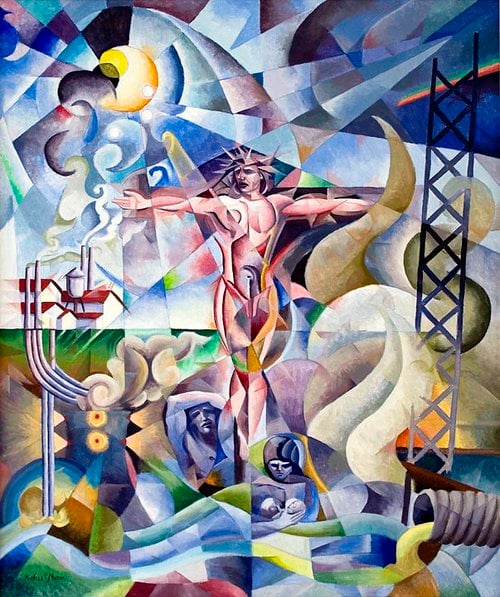
Recognizing Christ Crucified in creation today means hearing “both the cry of Earth and the cry of the poor” (Laudato Si’, 49) and responding with compassion.
As the Passionist Rule and Constitutions state, “We wish to share in the distress of all, especially those who are poor and neglected; we seek to offer them comfort and to relieve the burden of their sorrow” (#3).
How do we recognize the suffering and crucified among us today?
To assist in identifying the suffering and the crucified of today, we need to look for the marginalized, silenced, and oppressed who bear heavy burdens from broken systems. The following categories may be helpful.
Look at the Margins
Spot the forgotten
Notice people who live in extreme poverty, homelessness, or neglect. Notice too the species we have forgotten or neglected.
Where have we looked away from the destruction of creation, the clear cutting of trees, the contamination of waters, the silent extinction of species?
Watch the vulnerable
See how the elderly, sick, and disabled struggle with lack of care.
Observe the vulnerability of nature: the death of glaciers; fragile ecosystems damaged by resource extraction and the animals, insects, and plant life that depend on them; the drying up of rivers and lakes and those who need their water to live; the destruction of forests and the ecosystems within them.
Observe the outcast
Find those rejected by society because of race, class, or background. Notice the environments where they live too, the polluting industries, contaminated waters, trash dumps.
Listen to the Silenced
Hear their stories
Pay attention to people who cannot speak loudly or safely for themselves.
Pay attention also to the trees, the rivers, the birds, the pollinators, the depleted soil, to the communion of subjects that is God’s creation.
What stories are they sharing?
Notice overlooked suffering
Look beyond familiar routines to hear cries for justice, peace, and basic needs. Look beyond the human.
What and who else in creation is suffering?
Value truth
Believe people when they share their daily hardships and fears.
What is the truth about our attitudes and assumptions toward the other than human creations of God?
Examine Unfair Systems
Spot exploitation
See where powerful groups take advantage of weaker workers or communities.
Where are we exploiting nature, taking more than we need, seeing only resources to be extracted rather than sacred creations which oblige respectful and caring relationship?
Look at violence
Recognize the damage caused by wars, cruelty, neighborhood crime, extraction, pollution, apathy and greed.
Hear creation’s groaning. Recognize the violence of ecological destruction, extinction and human exploitation. The cross calls us not merely to look but to repent and participate in healing.
Check the impact
Ask who pays the highest price for unfair systems.
Reflect with Empathy
Feel the Pain
Really hear the cries of the poor and of Earth. Allow yourself to feel sadness for the pain of others and in the face of the destruction of God’s creation instead of turning away.
Examine your life
Check if your own lifestyle choices, purchasing habits, or other actions add to the burdens of others or to the systems that cause the crucifixion of people and creation.
Take action
Look for ways to bring comfort, hope, and relief to those carrying crosses today. Look for ways to heal and create reverent, caring relationship with Earth and all God’s creation.
I love this, gives me an exact profile to implement in my daily examination🙏💕