Reflection
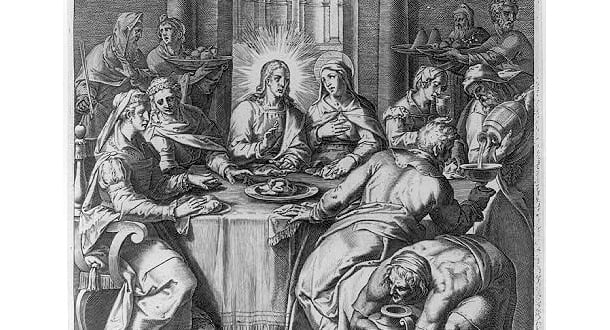
The parables of the Wedding Banquet contain some of the most intense intra-Jewish polemic in the New Testament.
Historical context here is critical. We need to understand that the text reflects a “family” or sectarian conflict between Matthew’s community and the emerging Rabbinic Judaism following the destruction of the Temple in 70 AD.
Secondly, Matthew layers allegory after allegory in his parables to further his message:
- The king represents God the Father who invites all to the wedding banquet.
- The king’s son represents Jesus Christ, the bridegroom.
- The first invited guests symbolize the ancient Israelites or religious leaders who rejected the repeated calls of the prophets.
- The servants represent the prophets sent by God but mistreated and killed.
- The destruction of the city symbolizes the historic fall of Jerusalem and Temple.
- The people gathered from the highways represent the inclusion of Jesus’ followers, Gentile converts into the covenant community.
Matthew is not writing against Judaism as an outsider. Despite the unfortunate anti-Semitic tone of the parables, Matthew, himself a Jewish follower of Jesus is arguing over who holds the correct interpretation of the Torah and prophetic promise, the followers of Moses, or the followers of Jesus. Matthew is asserting that Mosaic ancestry and leadership do not guarantee a place at the eschatological banquet table, especially if one rejects the invitation of the king. Matthew uses of the Roman destruction of the Temple to make a theological point, the judgment of God against the Jewish leaders.
Thes Matthean passages, as disturbing as they may seem at first reading, must not be understood as anti-Semitic or Christian triumphalism.
The good news in these otherwise unsettling parables is that God welcomes all to the banquet. God’s grace has no borders, no ancestry requirements. God’s invitation extends to the marginalized and outsiders, no exceptions. God’s lavish invitation however does require that we wear the proper clothing to his celebration — a life clothed in God’s transformational, unconditional love.