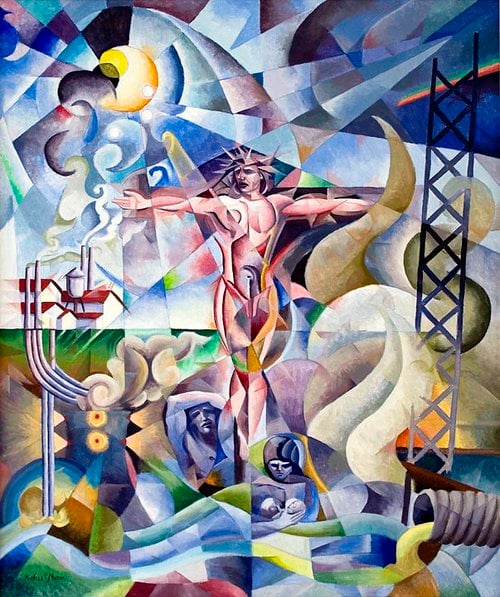
“We are aware that the Passion of Christ continues in this world until He comes in glory; therefore, we share in the joys and sorrows of our contemporaries as we journey through life toward our Father. We wish to share in the distress of all.”
Passionist Rule and Constitutions, 3
We are now in week three of our journey with the Season of Creation and its theme of “Living Water.”
In the past several weeks we have seen the devastation of severe storms and flooding across the globe, from the storms and power outages in the midwest to the recent flash flood in the Grand Canyon to the devastating glacier collapse in Nepal. All of this flooding has created new poor as people’s families, communities, belongings, homes, and sense of well being are being destroyed.

How have you and I responded? Did we respond or are we responding?
In Laudato Si’ Pope Francis talks about the problem of the numbing of conscience. The “numbing of conscience” (LS, 50) refers to a modern societal detachment where physical isolation, urban disconnection, and consumer distraction dull our moral sensitivity to both environmental degradation and human suffering. [1].
When numbing of conscience occurs, we are basically impaired from being able to make good ethical decisions.
What are the causes of this numbing effect? Pope Francis cites 3 major causes of the numbing effect of conscience.
- Urban Disintegration: cities can be isolating places that lack physical contact with nature and neighbors, reducing our capacity for empathy and caring for other people.
- Empty corporate or political eco-talk which mask a failure to face harsh realities or to enact genuine structural change for the common good. [1, 2]
- Consumerist Distraction: an intense focus on comfort and wealth blinds individuals to how their lifestyles impact marginalized communities and ecosystems. [1]
This numbing of conscience is sometimes referred to as moral distress. We can’t do the right things because we feel powerless or the problem is too complex. You are suffering from moral distress if you saw the suffering of those experiencing devastating flooding and have done nothing about it.
Moral distress was rampant during the Covid crisis. Parents and grandparents dying in hospital ICU units. Health rules would not allow the use of mobile phones to say good-bye to dying relatives because of fears of contamination. How could we stand by and allow loved ones to die without saying goodbye? That is moral distress or numbing of conscience.
There has been research done on this problem. Here is what we did in the healthcare system where I worked.
The 4 Rs
Cynda Hylton Rushton, PhD, RN and Kathleen Turner, RN, CHPN, CCRN-CMC created a tool nurses (and all of us) can use to sort through situations that can cause moral distress—the 4Rs.
- Recognize. The first step is to recognize the situation for what it is. To do so, be aware of the complexities related to the patient, the patient’s family, and the care team, including what each party wants to happen and emotions that may affect their perspectives.
- Release. Consider what you can change and what you can’t. Let go of past experiences that aren’t helpful in the current situation.
- Reconsider. You may need to reframe an issue or view it in a new way. Be open to fresh approaches and ensure everyone understands each other’s perspectives.
- Restart. At this point, you may find you are asking new questions or have new ideas about how the situation can be moved forward in a positive way.
[Rushton CH, Turner K. (Suspending our agenda: considering what will serve when confronting ethical challenges. AACN Adv Crit Care. 2020;31(1):98-105.)]
Using the 4 Rs we were able to work around the problem and solve it. We found creative ways of getting phones in the hands of loved ones without violating the health rules.
So, the next time you see new poor on the six o’clock news, use the 4Rs and brainstorm ways that you and others can help them.
As Ezekiel would say “Provide them Living Water.”
To help those affected by the Nepal Flood Emergency, we invite you to donate to the Nepal Red Cross.
Read more from Carl’s series Forming Conscience in Extraordinary Times.