Suffering is not something to be avoided, rather the experience is shared within families and the community. Faith helps family and friends accept the suffering that is a part of life, and there is sharing of challenges.
Sister Mavi sees similarities in the Passionist focus on the Cross. Jesus showed us suffering is the path to salvation. “From the Passionist focus, it is an experience in hope, solidarity and renewal,” explains Sister Mavi.
In Mexico, family is an extensive and supportive part of life for individuals. “Family is the center of the personal identity that exists through generations,” Sister Mavi says.
Personal identity is shaped in Mexico by the community a person belongs to, much like the Passionist call to live in solidarity with the crucified. There is not avoidance of poverty or illness, but respect and support given by all members of the community.
“The culture is alive in community,” shares Sister Mavi. “People unite with each other to fight the different challenges of life, like poverty and migration.”
Elder care is a familial focus in the Mexican culture and naturally blends with the Passionist charism focus on presence and fidelity. In Mexico, 21 million people are considered older adults. The cultural norm is that families provide the care required for their older family members. Not many older adults live in retirement facilities.
Shrine of Our Lady of Guadalupe in Mexico.
“Most live with their children, and they help care for their grandchildren,” Sister Mavi says.
Like the Passionist charism focus on fidelity, love and tenderness, families in Mexico want the older adults to have a sense of the value of their lives in this moment.
And there is an understanding that upon the death of loved ones that their spirit can still be with their families as they are celebrated and remembered.
“In Mexico most people believe in eternal life, but they also believe in hell and purgatory,” explains Sister Mavi. “The Passionist spirituality puts special attention at looking at death with hope. It is not the end. It is just the passage to eternal life. It is candles, smells and altars that show this passage.”
Love is not just a feeling in Mexican culture, it is also work. “In Mexico, love is visible and concrete. It is a daily decision to live in love and tenderness,” shares Sister Mavi.
“Like the Passionist spirituality, love means to accompany people in their vulnerability.”
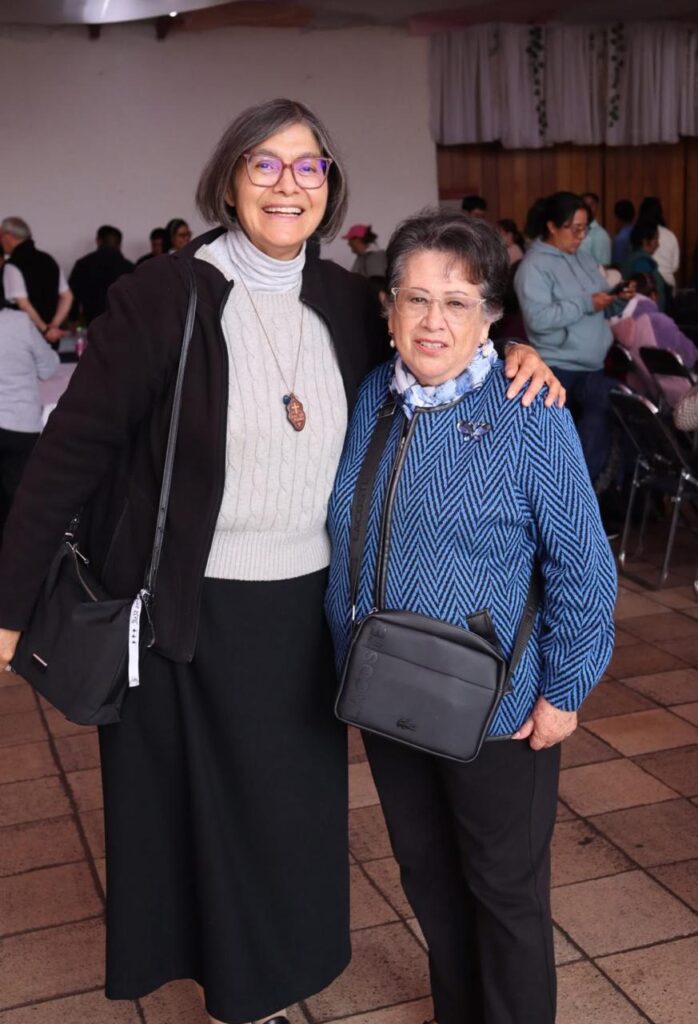
Sister Mavi Alfaro, CFP
One of the few areas where Mexican society differs from the Passionist charism is how strength is perceived for men and boys.
“In Mexico it is very common to tell boys to not cry and be strong. But this does not allow boys to live with honesty and passion, and they are not allowed to grieve,” Sister Mavi says. “The Passionist spirituality insists on living with hope and being able to express pain or sorrow with dignity – boy, girl or anyone.”
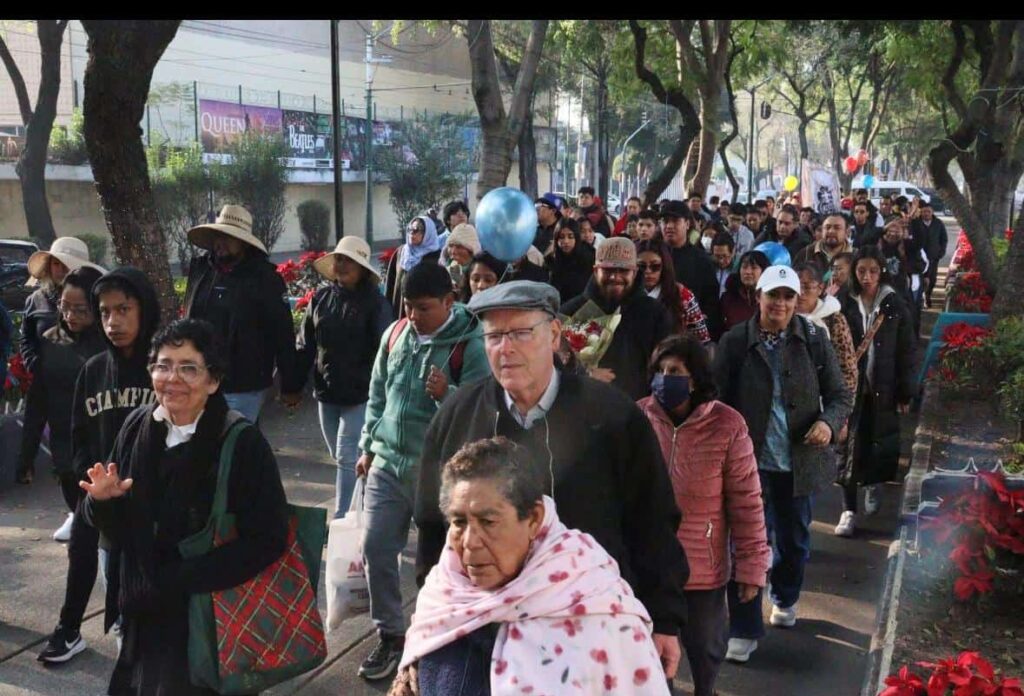
Religion plays a large role in Mexican culture and supports the focus of family and community.
“In Mexico, 78 percent of the population is Catholic. Religion is deeply rooted in the culture,” Sister Mavi shares. “From early in the morning, people start the day connecting with God or Our Lady of Guadalupe. In every aspect of their lives, religion is integrated from parties to funerals. It is part of the tradition. It is part of the life in Mexico.”
Sister Mavi appreciates how the Passionist charism has the beauty to adapt to so many different cultures.
“The gospel moves the human spirit regardless of cultures, but not in a uniform way,” she says.
“The Passionist charism does not destroy culture, it enhances it with the expression of hope and eternal life!”
Sister Mavi Alfaro, CFP