Suffering is not something to be avoided, rather the experience is shared within families and the community. Faith helps family and friends accept the suffering that is a part of life, and there is sharing of challenges.
Sister Mavi sees similarities in the Passionist focus on the Cross. Jesus showed us suffering is the path to salvation. “From the Passionist focus, it is an experience in hope, solidarity and renewal,” explains Sister Mavi.
In Mexico, family is an extensive and supportive part of life for individuals. “Family is the center of the personal identity that exists through generations,” Sister Mavi says.
Personal identity is shaped in Mexico by the community a person belongs to, much like the Passionist call to live in solidarity with the crucified. There is not avoidance of poverty or illness, but respect and support given by all members of the community.
“The culture is alive in community,” shares Sister Mavi. “People unite with each other to fight the different challenges of life, like poverty and migration.”
Elder care is a familial focus in the Mexican culture and naturally blends with the Passionist charism focus on presence and fidelity. In Mexico, 21 million people are considered older adults. The cultural norm is that families provide the care required for their older family members. Not many older adults live in retirement facilities.
Shrine of Our Lady of Guadalupe in Mexico.
“Most live with their children, and they help care for their grandchildren,” Sister Mavi says.
Like the Passionist charism focus on fidelity, love and tenderness, families in Mexico want the older adults to have a sense of the value of their lives in this moment.
And there is an understanding that upon the death of loved ones that their spirit can still be with their families as they are celebrated and remembered.
“In Mexico most people believe in eternal life, but they also believe in hell and purgatory,” explains Sister Mavi. “The Passionist spirituality puts special attention at looking at death with hope. It is not the end. It is just the passage to eternal life. It is candles, smells and altars that show this passage.”
Love is not just a feeling in Mexican culture, it is also work. “In Mexico, love is visible and concrete. It is a daily decision to live in love and tenderness,” shares Sister Mavi.
“Like the Passionist spirituality, love means to accompany people in their vulnerability.”
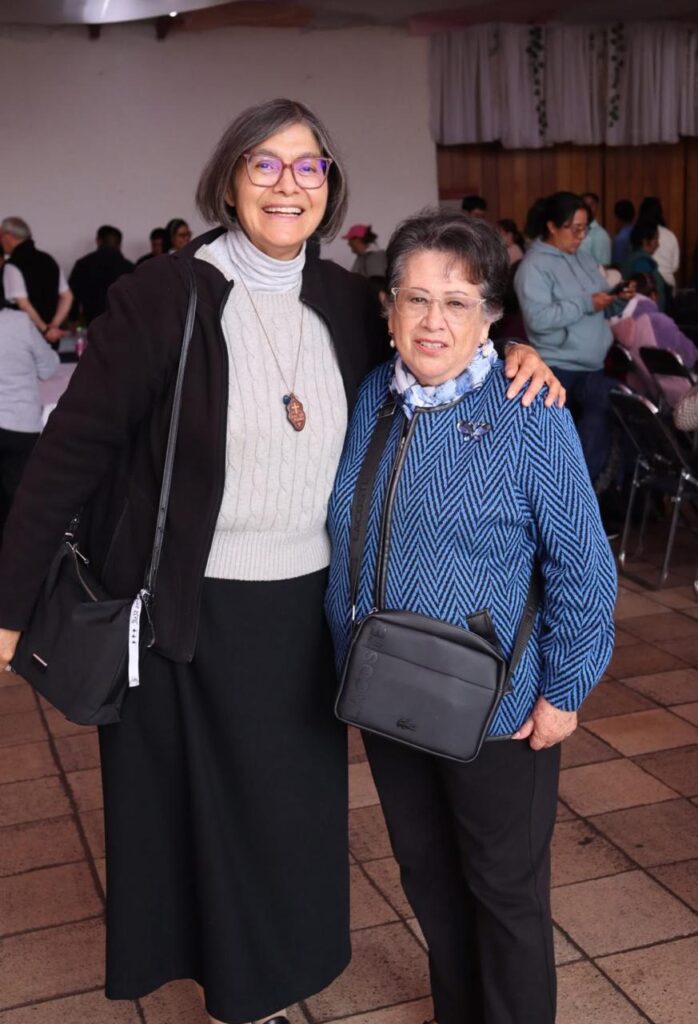
Sister Mavi Alfaro, CFP
One of the few areas where Mexican society differs from the Passionist charism is how strength is perceived for men and boys.
“In Mexico it is very common to tell boys to not cry and be strong. But this does not allow boys to live with honesty and passion, and they are not allowed to grieve,” Sister Mavi says. “The Passionist spirituality insists on living with hope and being able to express pain or sorrow with dignity – boy, girl or anyone.”
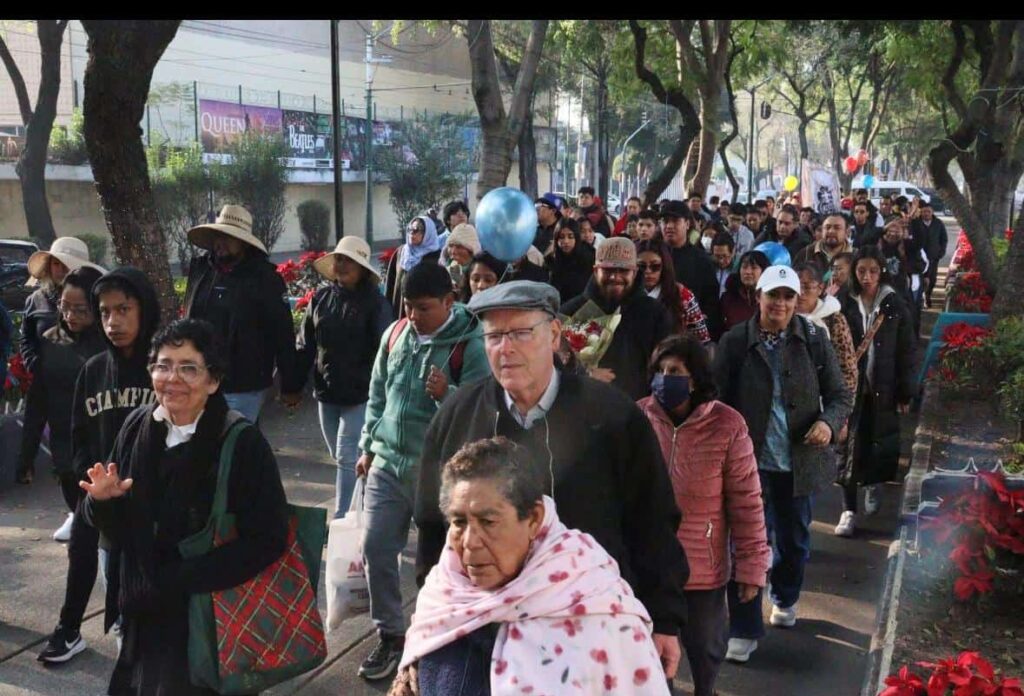
Religion plays a large role in Mexican culture and supports the focus of family and community.
“In Mexico, 78 percent of the population is Catholic. Religion is deeply rooted in the culture,” Sister Mavi shares. “From early in the morning, people start the day connecting with God or Our Lady of Guadalupe. In every aspect of their lives, religion is integrated from parties to funerals. It is part of the tradition. It is part of the life in Mexico.”
Sister Mavi appreciates how the Passionist charism has the beauty to adapt to so many different cultures.
“The gospel moves the human spirit regardless of cultures, but not in a uniform way,” she says.
“The Passionist charism does not destroy culture, it enhances it with the expression of hope and eternal life!”
Sister Mavi Alfaro, CFP
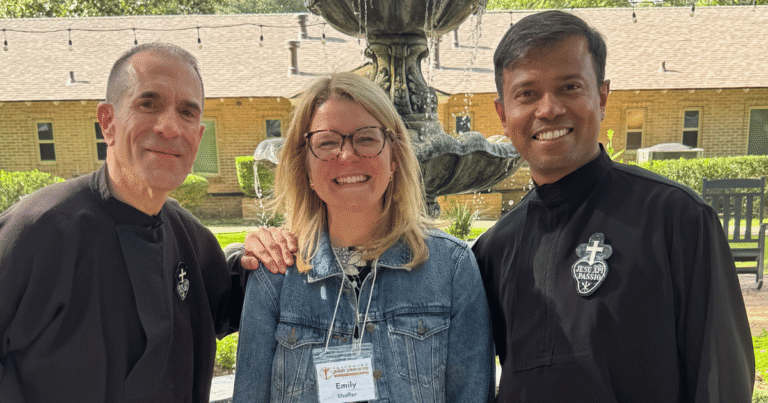
This transcript has been prepared for clarity, accessibility, searchability and readability, though minor variations from the original video may occur.
Passionist Spirituality and Hispanic Culture
Suffering in Hispanic culture is a shared experience, lived through faith, community, unity and mutual support. The Passionist perspective connects deeply with this reality because it renews hope, strengthens solidarity and offers a sense of redemption and inner growth. This is lived out in neighborhoods, in communities and within families through acts of solidarity.
In Mexico, the family is considered the center of personal identity, support and the transmission of values. It is an intergenerational space where grandparents, parents, children and extended family members all contribute to shaping those values. The Passionist charism expands this understanding by encouraging the sharing of life and the celebration of hope.
Identity in Mexico is formed more through community than through the individual. This cultural foundation aligns closely with the Passionist call to live in community. People come together in times of poverty and migration, supporting one another through life’s challenges. Authority and respect are deeply tied to tradition, family and community, often within hierarchical structures. The Passionist perspective, however, brings a Gospel lens that questions how power is exercised, especially when it becomes domination or manipulation.
Care for the Elderly and Vulnerable
Mexico has a population of approximately 133 million people, with about 21 million considered older adults. This presents an urgent need for models of care and accompaniment. Typically, older adults live with their children and help care for grandchildren rather than being placed in care facilities.
Passionist spirituality emphasizes presence, fidelity, love and tenderness. It seeks to accompany older adults, support their vulnerability and affirm the value of their lives at this stage. This care includes both spiritual and practical support.
Faith in Daily Life
In Mexico, love and tenderness are not just feelings but daily decisions. However, routine and habit can dull their meaning. Passionist spirituality deepens and transforms these expressions by focusing on companionship, especially in moments of vulnerability.
Religion is deeply integrated into everyday life. Around 78% of the population identifies as Catholic, although religious pluralism is growing. From early morning, many people entrust themselves to God or to the Virgin of Guadalupe. Faith is present in celebrations, birthdays, novenas and funerals. Important dates such as November 1 and 2, the Day of the Dead, and December 12, the feast of Our Lady of Guadalupe, are marked not only by celebration but by months of preparation and pilgrimage.
The Passionist message fits naturally within this communal and devotional life, especially during Holy Week and the Paschal Triduum, where people reflect on both the Passion of Christ and the suffering of the people, always moving toward hope and resurrection.
Understanding Death and Eternal Life
In Mexico, many people believe in eternal life, as well as in heaven, hell and purgatory. There is also a sense that the spirits of loved ones remain close. Passionist spirituality emphasizes that death is not the end but a passage into eternal life. This belief is expressed through altars, candles, flowers and symbolic elements that point toward eternity.
Cultural Challenges and Transformation
One cultural norm that presents challenges is machismo. Men are often taught not to cry, to be strong and to hide their emotions. While this may preserve outward composure, it can prevent people from processing grief with honesty and compassion.
Passionist spirituality calls for living with hope and expressing pain with dignity and respect, regardless of gender. It encourages emotional honesty and compassionate presence.
Everyday Expressions of Faith and Solidarity
When someone in a family is sick, the community organizes to care for that person. Neighbors bring food, pray the rosary and place images of the Virgin of Guadalupe or a crucifix nearby. This is a powerful example of solidarity lived through community, where faith becomes visible through action.
Cultural Diversity and the Gospel
The Passion of Christ is remembered and lived differently across cultures. In Mexico, it is expressed through togetherness, prayer, food, flowers and music. In contrast, in parts of northern Europe, faith may be expressed more through silence, interior reflection and a more individual approach.
The Gospel touches every culture, but not in a uniform way. It adapts to local expressions of joy, suffering and hope. Passionist spirituality does not erase culture, it strengthens and purifies it so that life may be expressed with hope.