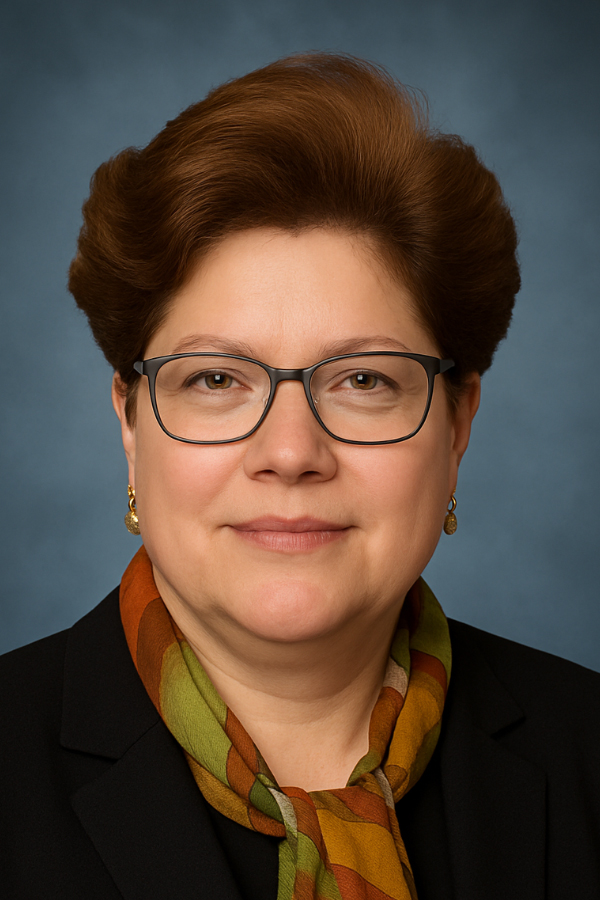
Life is chaotic and scary for many people right now. Teresa Donan, Director of Hispanic Ministry at Christ the King Passionist Retreat Center in Citrus Heights, California, wants the Retreat Center to be a beacon of hope.
Hope is at the heart of her ministry and her life. “We pray, we trust, we hope, we wait and we build bridges. Otherwise, hope is just empty words. Jesus gave us hope by walking with the people, being present to them. That is what we try to do.”
Teresa and the team at the Retreat Center see an erosion of hope in their community, especially for Hispanics and Latinos because of many recent United States policy changes and the increased presence of Immigration and Customs Enforcement (ICE). Being a beacon of hope is the foundation of the work done at the Retreat Center.
“I think we have a responsibility with the community. We believe that God is faithful to his promises,” Teresa explains. “We need to bring this truth to the people, especially in this time. Being Latina and being in this country is dangerous. People cannot go outside.
They fear many things. We care, and we are there just walking with them. We are not taking the easy way, which is not the Passionist way. We keep ourselves faithful to God and to them. We want to be a light in this difficult time.”

A variety of programs nurture people who are tired and afraid. The Retreat Center has started to offer more programs in Spanish and online.
The second Monday of the month is Passionist Monday. People are invited to attend in person or online.
Part of the program includes praying the Stations of the Cross for all immigrants. “I thought the people attending virtually would leave, but they stayed,” shares Teresa. “They were crying and were just so moved. This may seem so small and insignificant, but the prayer gives them hope. It was a special moment of grace they could hold on to.”
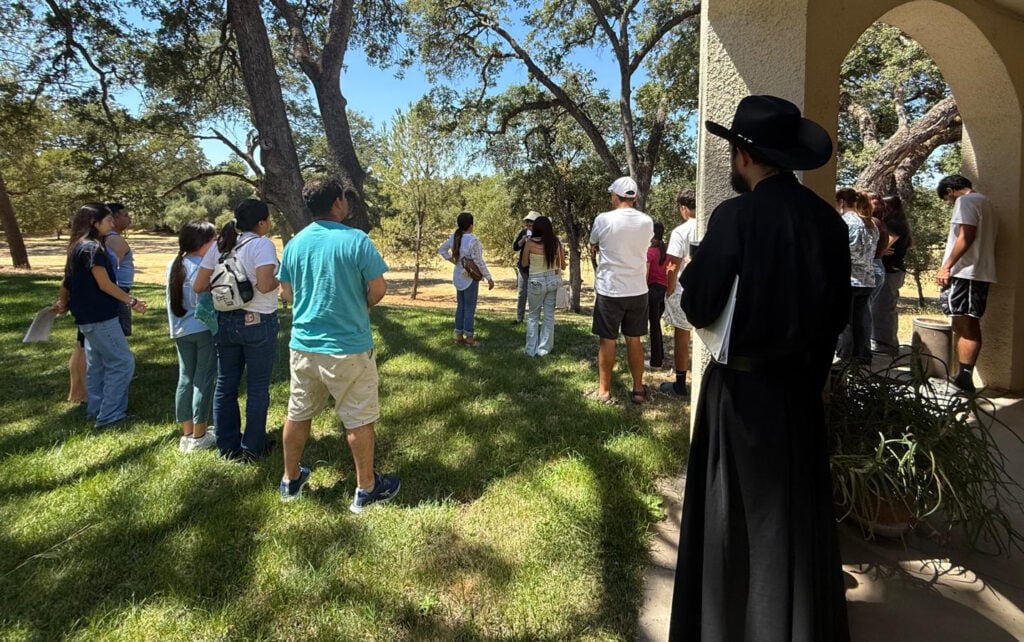
The first retreat presented in Spanish was focused on what people needed most. “We are called to live differently, even in challenging times,” Teresa says. “The retreat gives them time to rest and find God’s voice calling them in a unique direction. And it allows us to accompany them and to create space for these people to find themselves and gain the strength that they are looking for.”
One thing that resonates in Hispanic ministry is the respect the Passionist Congregation has for suffering.
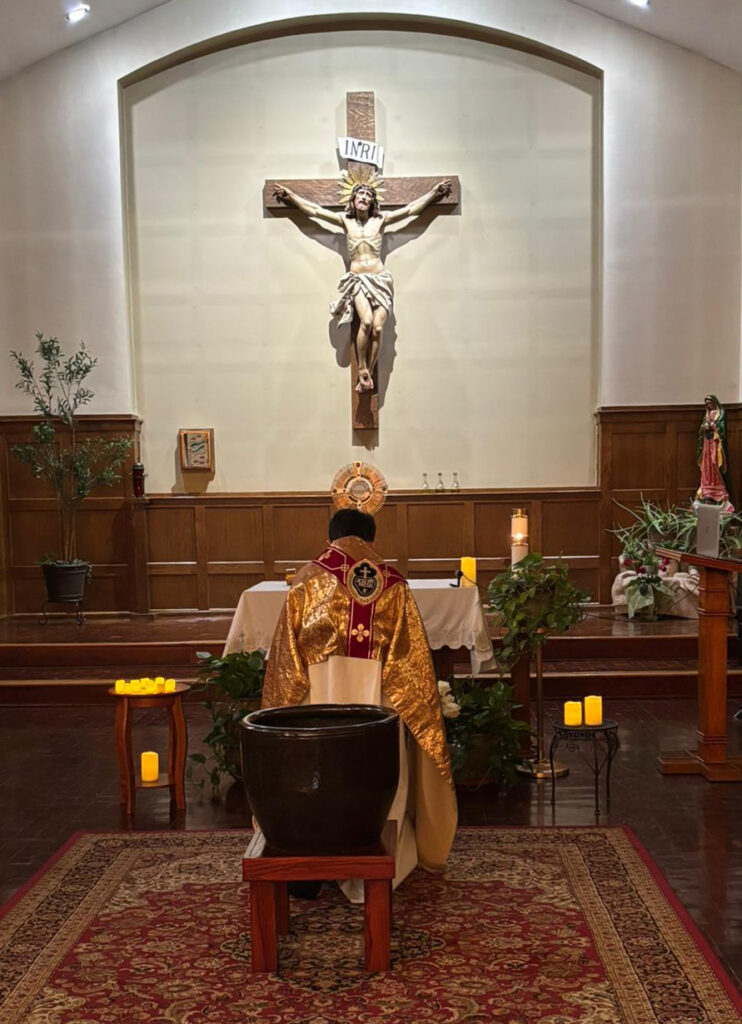
Teresa believes that everyone experiences suffering. Our personal suffering makes it easier to see the suffering of others, creating empathy. “We do not pity ourselves. Instead, we ask: ‘What can we change? How can we make life better for others?’ That is the gift we bring – a way of surviving with hope and joy.”
Hope is nurtured for Teresa by special people in her life. “I think I have a very good support system. I have God, my husband, my family and my spiritual director. Father Joe Moons, C.P., and Father Phillip Donlan, C.P,, and the people at the Retreat Center, they are amazing people. They are just genuinely amazing souls.”
Prayer centers Teresa and gives her strength to hope. “I have a good support system, but I have to do my work. I need to take care of myself,” she says. “I am not easy at letting things go. It is hard, but I try to heal myself and go back through prayer.”
Hope is the light that guides her journey and work with others. “We can do more – creating more bridges,” Teresa explains. “We need to keep the voices heard. They need to see us. We care for everybody. That is what it means to live with hope.”
Full video interview
Question: Do you see hope as an active state or a prayerful one or both? Is it a call to action or quiet meditation?
Teresa: It is a call to action, sustained by prayer. Prayer without action can be naive, as if praying alone will make everything okay. Pope Francis says that we pray, trust, hope and wait, and we also build the bridge we must walk. Otherwise hope becomes empty words or a short sign. Jesus is our model of hope. He walked with people, he was present, he listened, he did what he was sent to do. Many Christians, and many others, keep hope alive in communities and countries. Hope moves us to act.
Why We Need Hope
We have a responsibility to our community because God is faithful to his promise. Everything else may fail, God remains faithful. I do not fully understand how, but I know I will not be played by God. He is faithful. We need to bring that faithfulness to people, especially now. As a Hispanic Latina in this country, this time is dangerous for us. We must stay close to those who suffer, many of whom fear stepping outside. They need to see that we care, that we are present, that we are listening, that we are praying and walking with them. The Passionist way is not the easy way of saying, I am going to be praying for you. We pray, and we are here. What can we do for you.
Safe Spaces for a Fearful Time
Monday through Friday we pray the Stations of the Cross for immigrants on a virtual call. People can join with cameras off and names changed. Many weep during the same prayer repeated daily because it gives real hope. We also leave time for people to share fears. It is a safe place, a community you can trust.
On the second Monday we host Passionist Monday. We invite people to adore the Blessed Sacrament, and priests hear confessions in Spanish. To protect privacy, we pray the Stations during confessions. Many attend in person and online. Afterward we celebrate Mass. I thought the online group would leave, they stayed and responded as if they were present. Anxiety in the neighborhood was high due to immigration enforcement. Prayer brought grace, then fellowship brought relief and belonging. Our priests were present, listening, talking, even laughing. People felt seen and safe.
Retreat Center Initiatives
At first I planned a full year of events. Father Joe wisely says, choose a few that best serve the community. Now we plan three to four months ahead because needs change quickly. Many participants are women, so we lift up strong women of faith to help them find strength and hope. This weekend we will host our first Spanish retreat, The Cross in Everyday Life, on finding hope, understanding suffering and letting God transform it. Christians are called to live differently, even in hard times. We create space to pray, rest and listen for God’s voice, then accompany people with simple points for the journey. Attendance looks strong, which makes me feel a holy urgency to serve well because people are spending scarce time and money to seek hope.
Listening First, Serving Next
I constantly ask, what does your community need, how can we help. People trust the Passionist community and this center. Our call is to be with them. That is where hope begins.
Team, Spirit and Joy
For Hispanic ministry, Father Philip and I lead, and a diocesan seminarian is joining us. He worries for the people and is eager to help. As Passionists, the cross is written on our hearts. We do not see ourselves apart from suffering, yet we live with joy. We do not stay in self pity. We ask what we can change and how we can make other lives better. That is part of who we are.
Spiritual Indifference, Holy Freedom
In our tradition we speak of spiritual indifference. It does not mean we do not care. It means joy and suffering are both part of the path. Health and illness, life and death, none of these makes me a better or worse person. What matters is how I live this stage with God. Everything is in God’s hands. I will honor his presence and will, and continue my journey.
What Nurtures My Hope
God, my husband, my family, my friends, my spiritual director and many generous coworkers lift me up. The community’s courage also strengthens me. Knowing what they face, yet seeing their kindness and joy, leaves me no excuse to lose heart. Father Joe, Father Philip and the office staff are genuine, amazing people. Being surrounded by goodness keeps my spirit steady.
Staying Hopeful While Carrying Others
I must do my part. I pray daily. My commute is over an hour, which I use for prayer. At night I make an examen. I practice centering prayer to cool my spirit and avoid overwhelm. Some days are very hard. When someone calls with tragedy, I carry it and often lose my appetite because they cannot find peace. I return to prayer, to confession and to the Eucharist. This is ministry, not a job. I must be well fed by the sacraments to serve with a pure intention. People who suffer are where the heart of God resides. I want to give them my best.
A Pilgrim of Hope Without Going to Rome
Yes, we can be pilgrims of hope without Rome. A pilgrimage is a journey to a sacred place with preparation and intention. Many sacred places are near us, hospitals, shelters, our homes and prayer corners, our workplace made holy because Christ is with us. Families can plan small pilgrimages at home with a map of stations, prayers and simple acts. Preparation may take time, the walk may take minutes. The point is intention and creativity.
Supplies for the Pilgrimage
Make a simple plan. Pray. Choose sacrifices and penance with joy and intention. Keep a good faith, a good attitude and a good heart. Ask, what is my purpose for this pilgrimage, how will it help me encounter the Lord.
How God Has Nurtured Hope and Trust
I have faced illness three times with cancer. This month is my last month of medication. I am grateful. God’s grace kept me from fear. I will die someday, like everyone. When the diagnoses came, I told my husband, what is the worst that can happen, the most normal thing. Instead of anxiety, I kept serving. My oncologist urged therapy, I welcomed conversations but I was not down. I trust that God cares for me and my family. I try to live simply, without complications.
During my second treatment I learned I was pregnant. Doctors warned of complications. After many tests, we chose to continue. Our daughter is now a nurse and a gift. I see her as God’s tender answer after a hard season.
People and Movements That Deepened My Hope
I participated in a meeting of the popular movements encouraged by Pope Francis when he was in Argentina. Seeing people transform communities with few opportunities showed me how much can change when hope is focused and organized. We must build bridges, lift erased voices and seek partners who can help us serve. When our provincial letter invited us to stand with vulnerable people in public, I knew we should not stay on the safe side. People need to see that we care for everyone, not one group, everyone.