Reflection
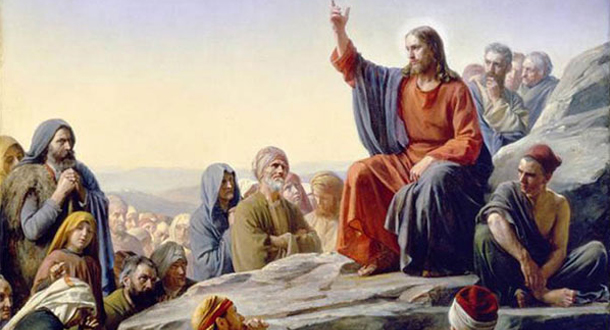
In chapter six of Luke’s gospel, he lists the Apostles, followed by their encounter with a great crowd which is gathering around Jesus. Our Lord looks toward the disciples and addresses the “beatitudes” to them. Luke then adds that Jesus’ words are meant for “you who hear” — the multitude, Luke’s readers, us.
If we heard these words of Jesus for the first time would we be startled? Do they, as Toni Morrison says, make “a sound that breaks the back of words”. They are just a few words: poor, hungry, weeping, hated/excluded, along with their opposites. They fit easily into our pocket or purse and will roll around against each other like marbles.
The words of the “beatitudes” are familiar words, they are not new. They are the Good News, the gospel.
As good news they can’t shame us, nor are they meant to make us feel guilty. How are we going to respond to these words which we hear again today?
Caryll Houselander was discerning God’s Word in her life, when she found herself in a sleazy bar in the rough part of town. A poor, worn out woman shared bread (a stolen loaf spread with some tuna) and they sipped some wine. The older woman offered to help her get established as a prostitute — she knew her way around — and together they could survive. Later, as Caryll made her way out the door of the bar, passing the now sleeping older woman who shared the bread and wine with her, she knew she had found her new ministry.
Caryll Houselander asks what word can we direct to the excluded, the looked down upon, the lonely and depressed. How about riding the subway and sticking out our tongues at the poor or homeless, or making faces at the disheveled people seated across from us? What stories might we bring to so many seemingly empty lives? Once told, how these stories can be exaggerated or ignored.
Instead, we might be witnesses to the resurrection of Jesus and carry his words of life to those among the weeping today? There was a widow, Judith, in Bethulia whom God inspired to bring light out of the darkness of the siege of their city by the Assyrians. A widow, she was used to wearing her mourning clothes. Determined to liberate her city, she donned her most beautiful dress, her jewelry, and a comb for her hair. She entered the encampment of the Assyrian general and brought his life to an end. Then, still dressed in her fine outfit, she brought home the good news of the end of the siege to her city. One person turned the sorrow of a city into rejoicing and celebration. What can you do for the prisoner weeping in shame, failure and imprisonment. What word gives hope with the promise of dignity and life restored?
People are hungry. The word they need to hear is bread. Bread begins in the fields, caressed by wind and sun. Jesus often blessed it before giving it out to the hungry. Will we always wait for God to be the one who provides bread for the hungry? A confirmation class of 12-17 year olds from the First Nation in northern Canada listed food instability as their great fear. They know that the caribou are moving farther away. What is our word to their their words of fear?
Food, comfort, consolation, refuge, hope and love, we use these words, but may remain only words.
“Lord show us how to erase hunger with them, how to bring them to the place where we meet the poor or embrace the weeping, and may they give shelter to the refugee and the frightened.”