Reflection
Today’s readings ask us to examine ways in which we reap sparingly, give grudgingly, draw defined boundaries of acceptability, and cling to our status, traditions, or group identity rather than die to self to discover new life. These are deep questions.
I remember when it was akin to a mortal sin for a Catholic to befriend a Protestant. Thankfully, we died to our exclusion toward Protestants and discovered that God was sowing gifts in them, too. Yet many of us still hold fear-based disdain for our Muslim and Jewish brothers and sisters or judge them by the politics of their countries of origin. Perhaps our co-descendants of Abraham could help us nurture our God-planted seeds if we remove the anxious, hate-filled barriers that get erected before we give mutual understanding a chance.
When I was a teen, a Cuban family moved into our 100% white, 100% Catholic town, looking for a better life. They left after 5 months of getting their car egged, reading threatening notes on their door, and being ignored by store clerks. Is that kind of prejudice behind us? Or do we buy into the notion that Hispanic people are job-stealing, law-breaking aliens out to destroy this country, and are therefore unworthy of dignity and value?
How often do we complain that people of their own or other cultures are ruining our “American way of life” rather than recognizing we are all immigrants, and all valuable to our society as it continues to be sown, grown, and brought to harvest?

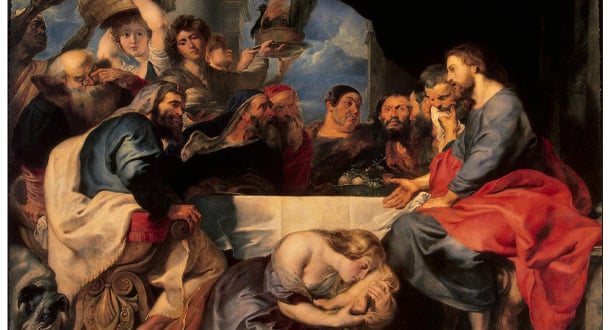
What happens when a parish is joined by or merged with those of another culture, language, or economic status? Are we willing to die to how we’ve always done things, die to believing we celebrate liturgy the “right” way, die to excluding them from parish governance, and die to the circles that define who is “in” and who is “out”? Jesus was willing to sit at table with everyone who came. Are we?
In our communities and society, how can we become more “cheerful givers” who provide generously for the poor, nurture seedlings to realize their potential, and bring new life to every person we encounter?
These are hard questions; it’s always hard to die to self. The experience transforms us if we let it. Dying, literally or figuratively, births us to new life.
Jesus calls us to crack the hard seed coat that separates us from the “other” so we can look at every person and see ourselves – and Christ – in them. He instructs us to reach out in open-armed, generous, overflowing love. He longs for us to sow and reap in abundance, celebrate and learn from their (and our) “otherness”, reject notions of scarcity that prevent us from sharing for fear there won’t be enough for ourselves, and use both word and deed to help ensure there will never again be violence against each other. If we can do that, and only if we do that, the kingdom of God will flourish on this earth and righteousness will endure forever.