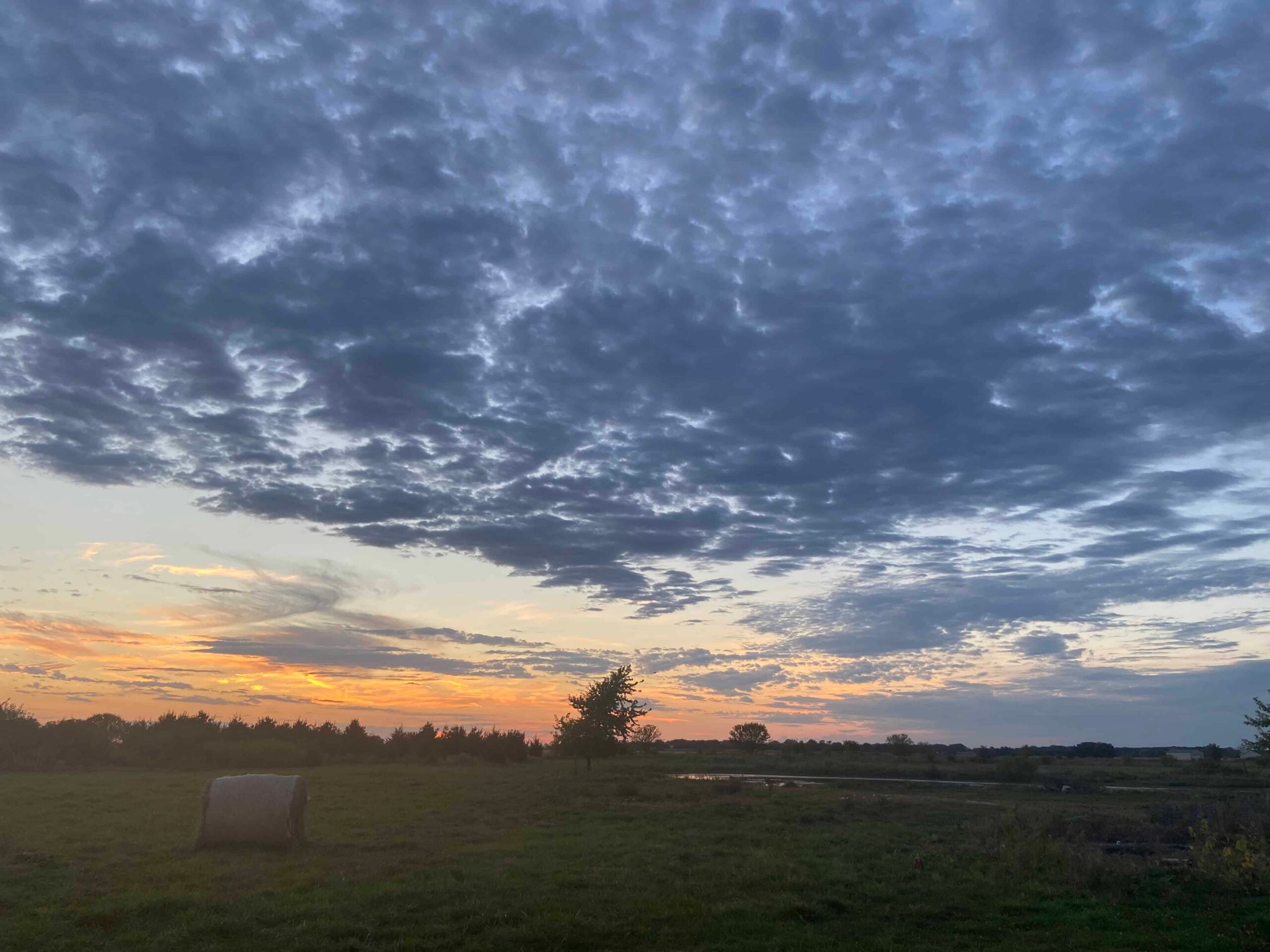
“What do you see? What do you see when you look up at the sky at night? When you see the blazing stars against the midnight heavens? What do you see when the dawn breaks over the eastern horizon? What do you see, what do you feel standing on the levee in the evening as the mighty Mississippi rolls on its way to the Gulf? What are your thoughts in the fading days of summer as the birds depart on their southward journey, or when the leaves turn brown and are blown away? What are your thoughts when you look out over the ocean in the evening? What do you see?”
~Thomas Berry, CP
“The World of Wonder” in The Ecozoic Reader, Spring 2003
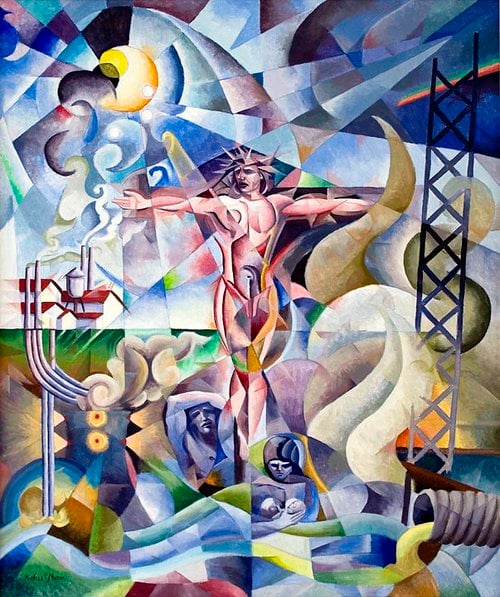
An Ecological Examination of Conscience is an opportunity for quiet, reflection and prayer in the spiritual tradition of the Passionists which connects the suffering of the wounded Earth, vulnerable individuals and whole communities directly to the Passion of Jesus Christ.
Rooted in the Passionist charism, this spiritual practice views care for Earth and care for the poor not as an optional lifestyle choices, but as a core Gospel imperative.
The Passionist charism centers on keeping alive the memory of Christ’s Passion as a message of hope, love, and reconciliation for a suffering world.
A Process for Ecological Examination of Conscience
Appreciation and gratefulness for God’s presence in all of creation
“The universe unfolds in God, who fills it completely. Hence, there is a mystical meaning to be found in a leaf, in a mountain trail, in a dewdrop, in a poor person’s face. The ideal is not only to pass from the exterior to the interior to discover the action of God in the soul, but also to discover God in all things.”
Laudato Si’, 233
The gift of creation is the gift of God’s self. In this context, what does the call of Genesis 2:15 to care and cultivate the Garden of Eden invite?
How often do I take time to really see, appreciate and be grateful for God’s creation?
Can I take a moment now to do just that?
How might I show my appreciation and gratefulness for God’s creation?
Mindfulness
Ask for grace and human ability to be fully present. It means paying attention on purpose to your thoughts, feelings, body sensations, as well as allowing yourself to experience as fully as you can your surroundings, the splendor of nature and especially the suffering caused by environmental degradation.
Thomas Berry, CP writes in The Great Work, “physical degradation of the natural world is also the degradation of the interior world of the human.” He argued that human consciousness, imagination, and spirituality do not exist in a vacuum; they are directly derived from and sustained by the beauty and complexity of Earth. When we destroy our ecosystems, we simultaneously erode our own inner life.
Are we mindful of the seriousness of today’s cultural and ecological crisis and of our own participation in the systems that are contributing to it?
Are we willing to translate that awareness into changes in our behavior and habits? What do I need to change?
“An awareness of the gravity of today’s cultural and ecological crisis must be translated into new habits.”
Laudato Si’, 209
Heartfelt Sorrow and Contrition
St. Paul of the Cross uses both of these terms. He uses contrition when referring to contrition in the Sacrament of Reconciliation. Contrition is that which cleanses the soul of sin. He uses sorrow as a gift of divine love.
Paul tells us, “The Passion of Jesus is a sea of sorrows, but it is also an ocean of love. Ask the Lord to teach you to fish this ocean.”
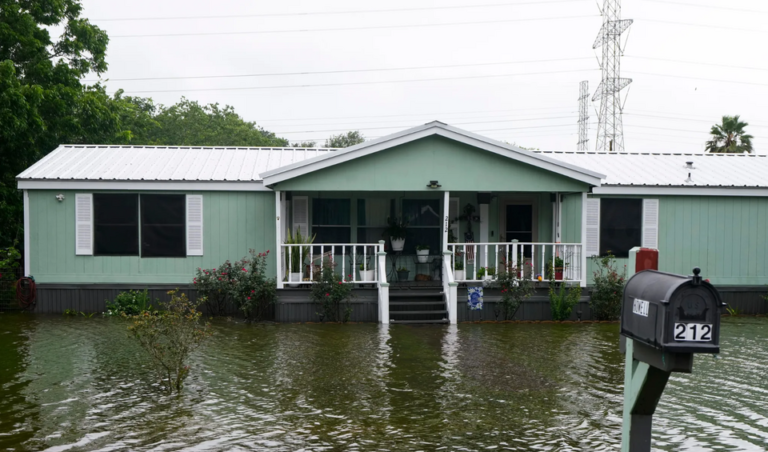
Sorrow is an interior grace that breaks open the hardness of the heart. Our heartfelt sorrow leads us to ask for forgiveness of our ecological sins—contamination of water, land and air, deforestation, destruction of biodiversity, exploitation of God’s gift of creation, and harm to the natural world.
These are sins against ourselves and against God (Laudato Si’, 8).
As Passionists, we encounter the crucified Christ in suffering creation. Our sorrow is the grace which opens our hearts to repair our relationships with God, humanity, and creation.
What might I do to repair my relationship with the Creator? With Creation?
Ecological Conversion
Ecological Conversion is derived from the Greek word metanoia, meaning to turn around or change one’s mindset. Our encounter with Jesus crucified in suffering creation turns us around. It transforms our hearts and changes the way we live in the world. This is ecological conversion.
Through the grace of sorrow and clear seeing, we can choose to no longer be the ones driving the nails, participating in the crucifixion. We can choose to be in healing relationship with creation.
Have I recognized my errors, sins, faults, and failures, leading to heartfelt repentance and a desire to change?
How will I cultivate a healthy and healing relationship with creation as part of my sorrow and personal conversion?
What change or changes will I make?