For Anthony Mullen, D.Min., Director of Charism Formation for the Passionists of St. Paul of the Cross Province, hope should not be confused with wishing.
“Hope has to be real,” Anthony explains. “I connect hope more with faith than with wishing. It has to be almost tangible.” We have an example in Jesus when it comes to hope.
“Jesus trusted and had faith in the Father at the time of the crucifixion,” says Anthony. “There was his firm hope that the Father, in turn, would be faithful to that vision. Hope is very real.”
We also need to be focused on the Father in our journey, which often is filled with challenges.
“There is a certain messiness in life, and
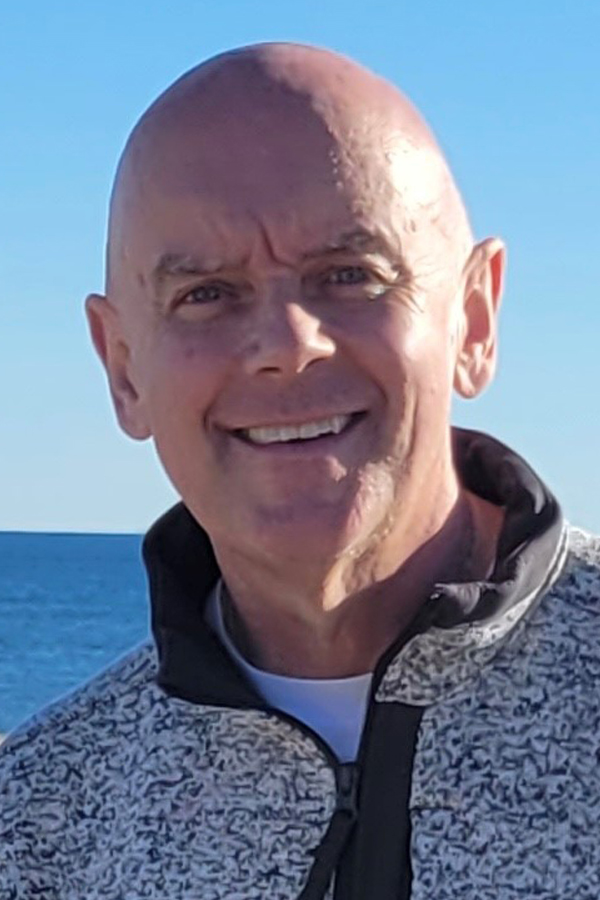
Anthony Mullen, D.Min.
God is to be found in the messiness.”
“I think we need to hope because the opposite is despair and death,” Anthony shares. “Hope taps into our deepest core. Hope taps into the divine in us. Hope empowers us. Despair crushes the human spirit and does not allow us to participate in community.”
Anthony believes hope is vital in the current political climate, especially with regard to immigration.
“There is confusion. There is fear. There is the fear of being deported or of losing friends who will be deported,” he says. “The need for a people of hope is great today because many people are giving way to the temptation of apathy. As people of faith, we are not allowed that privilege. Apathy is not a choice. It is our duty to stay convinced of the dignity of every child of God.”
Anthony witnessed the power of hope through Coming Home, a re-entry program for those who had been incarcerated. The program was designed by Dawn Ravella and put into practice by Building Communities for Healing and Justice.
“Hope taps into the divine in us.
Anthony Mullen, D.Min.
Hope empowers us.”
One of the men who benefitted from the program was an immigrant incarcerated for a crime he committed in the United States. Upon his release, he participated in Coming Home and completely turned his life around.
Then the man was notified he was to report for evaluation of his immigrant status.
Dawn and the team accompanied him to the plaza for the hearing. The decision for deportation was made, but this man was surrounded by people who knew the good work he had done and the value he had to his family and community.
“Their accompaniment assured him a dignity as a human person and gave him the gift of hope even in that dark time,” explains Anthony. “At the center of restorative justice is the belief that we can live in hope if we understand that we are not the sum of our worst mistakes. We have to be able to put scaffolding under people to lift them up.”
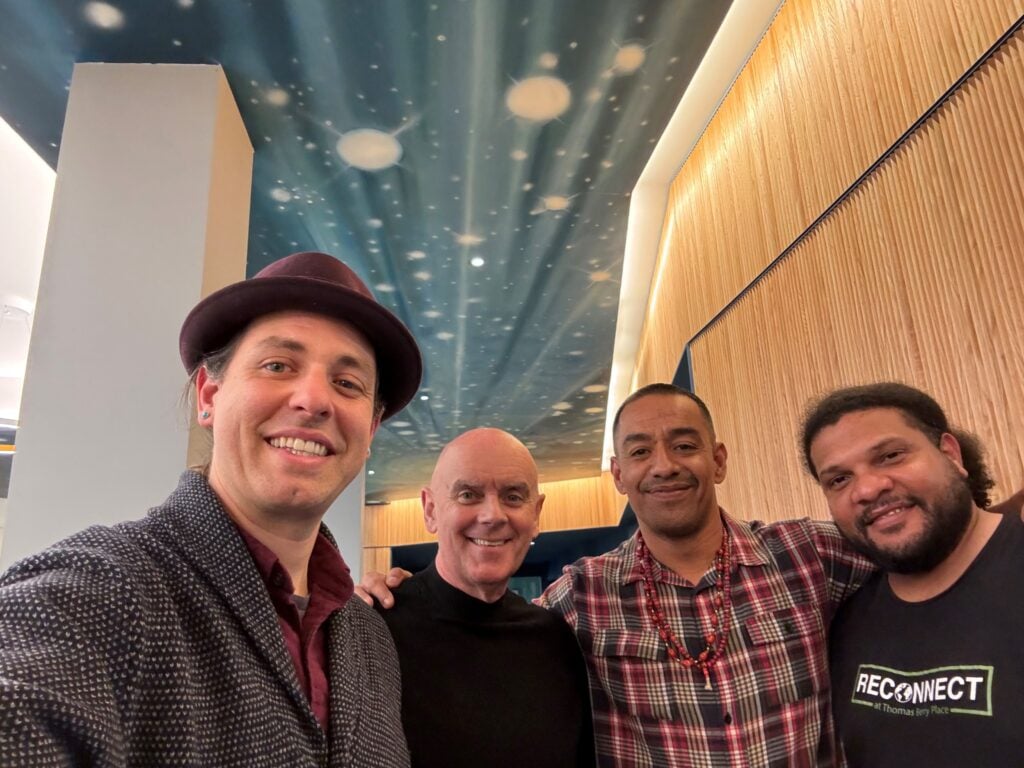
The world may be full of chaos and anger, but Anthony chooses to focus on hope.
“I remain hopeful because I see people of hope,” he shares. “There are good people in the world, people who are grace-filled and healing.”
Pilgrims of Hope do not need to travel to Rome, Anthony believes.
“You just need to be willing to be displaced,” he says. “I think it is important to couple the Year of Hope with the idea of Synodality. We need to be willing to sit down with everyone and commit to civil discourse and have a conversation about what is important.”
“Pilgrimage takes not only courage, love and respect but it requires humility, being open to the possibility that I might be wrong. The enemy of faith is certainty. I think the enemy of hope is fear.”
Anthony Mullen, D.Min.
“How can we walk with each other? How can we allow Christ to walk with us in all the messiness? Sometimes, we desire a simple, sanitized version of Christian life, but that is not how it is. There is a certain messiness in life, and God is to be found in the messiness.”